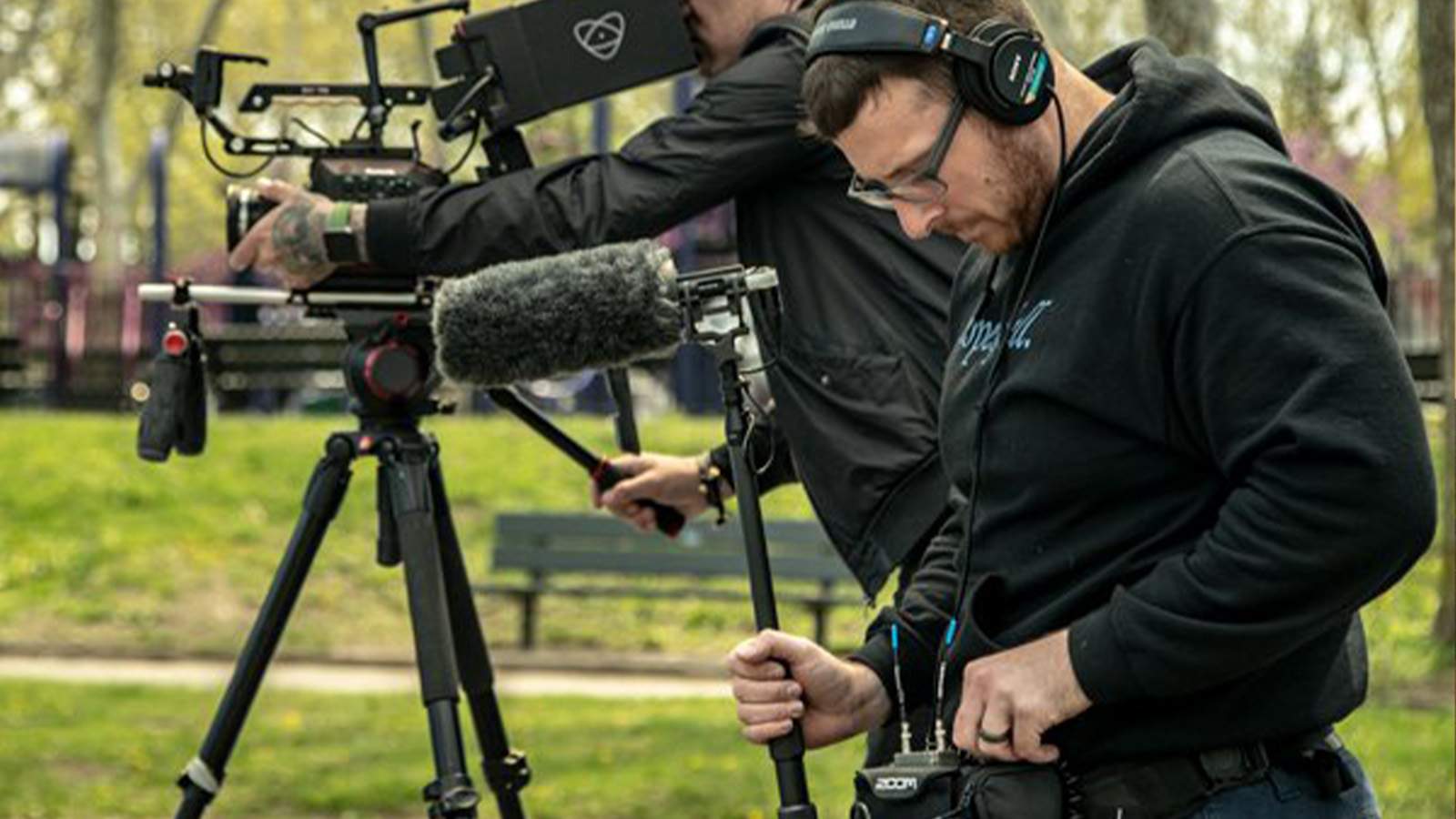
In 2019, ZOOM released the F6 field recorder, a product that fundamentally redefined the digital recording workflow. It was the world’s first recorder to combine DUAL AD (dual A/D converters) with 32-bit float recording, using these technologies to eliminate the need for the traditionally essential process of setting input levels (gain) in advance.
The arrival of the F6 marked a historic turning point in recording. In conventional recording environments, a single mistake in level adjustment could result in a retake or an unusable recording. The F6 introduced a new approach based on the principle that recorded audio could be adjusted and recovered later without the risk of clipping caused by incorrect gain settings.
Below, we explore the technical developments that led from the limitations of the 24-bit recording era to the introduction of DUAL AD and 32-bit float recording, and how these technologies ultimately became established as standards in modern production environments.

1. Before 2015: 24-bit linear PCM and the need for gain matching
The Gap Between 24-bit Theory and Reality
Before the advent of 32-bit floating-point, the standard for digital recording was 24-bit linear PCM. While 24-bit theoretically offers a wide dynamic range of approximately 144 dB, in actual field use, constraints such as the signal-to-noise ratio (S/N) and headroom of analog circuits meant that this range could not be fully utilized as intended.
● If the level is set too high, sudden loud sounds can exceed 0 dBFS, causing digital clipping
● If the level is set too low to be on the safe side, floor noise and quantization noise become noticeable when the gain is boosted during editing
Analog Gain and On-Set Pressure
For this reason, adjusting the gain on the microphone preamp was one of the most important tasks on a recording set. It directly determined the quality of the recording.
This was especially true in situations where sound levels were hard to predict, such as:
● Live recordings
● Sudden loud outbursts during film and TV drama shoots
● Documentary and sound effect recordings
In these situations, a single moment of clipping could make the entire recording unusable. The limitation of 24-bit recording was not the bit depth itself. It was the requirement that analog gain be set correctly, every time.
2. F8 (2015): The “Backup” Solution Using Dual-Channel Recording
The “One Input, Two Channels” Concept
To address this challenge, ZOOM introduced a practical, field-ready solution with the F8 field recorder, released in 2015. At the core of this solution is a concept: handling a single input signal safely under different gain conditions. This approach is also reflected in a patent related to gain control spanning both analog and digital stages (Patent No. 6506623).
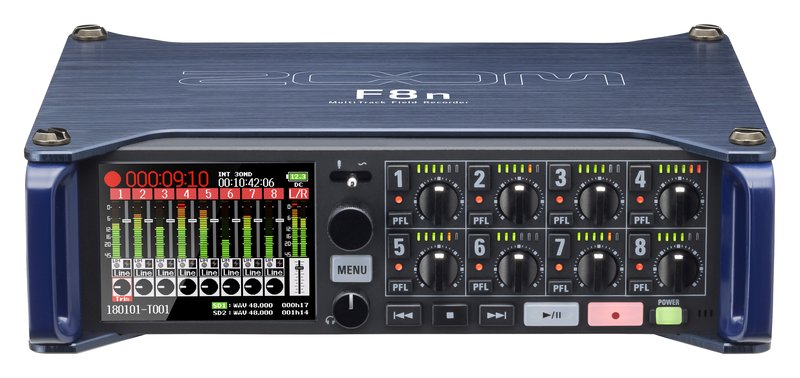
The F8 puts this concept into practice by generating two separate data streams from the same input at the same time:
● A main track recorded at the optimal level
● A backup track with the gain significantly reduced to avoid distortion
Redundancy as a “Safety Net”
With this method, even if the main track distorts due to a sudden increase in volume, the recording can be salvaged using the backup track. This ensures that distortion-free data is secured on a separate track.
The solution had two limitations, however:
● A human decision is still required to determine which track to use
● The burden of managing two files remains
For this reason, the F8 did not fully solve the problem. It did not automatically generate a single, ideal recording.

3. The development team’s next question: “Can we combine the two signals?”
The Concept of Digital Synthesis
Building on their experience with the F8, the ZOOM development team took on a new challenge: splitting the input signal, applying different gains to each branch, and integrating the branches in real time through digital processing. The goal was to record a single set of undistorted audio data from the start, rather than relying on separate main and backup tracks.
The Prototype of DUAL AD
This concept gave rise to the system that would later be called "DUAL AD." The system works by splitting the signal into two paths:
● A high-gain path for small signals
● A low-gain (or no-gain) path for large signals
Technical Challenges Leading to Commercialization
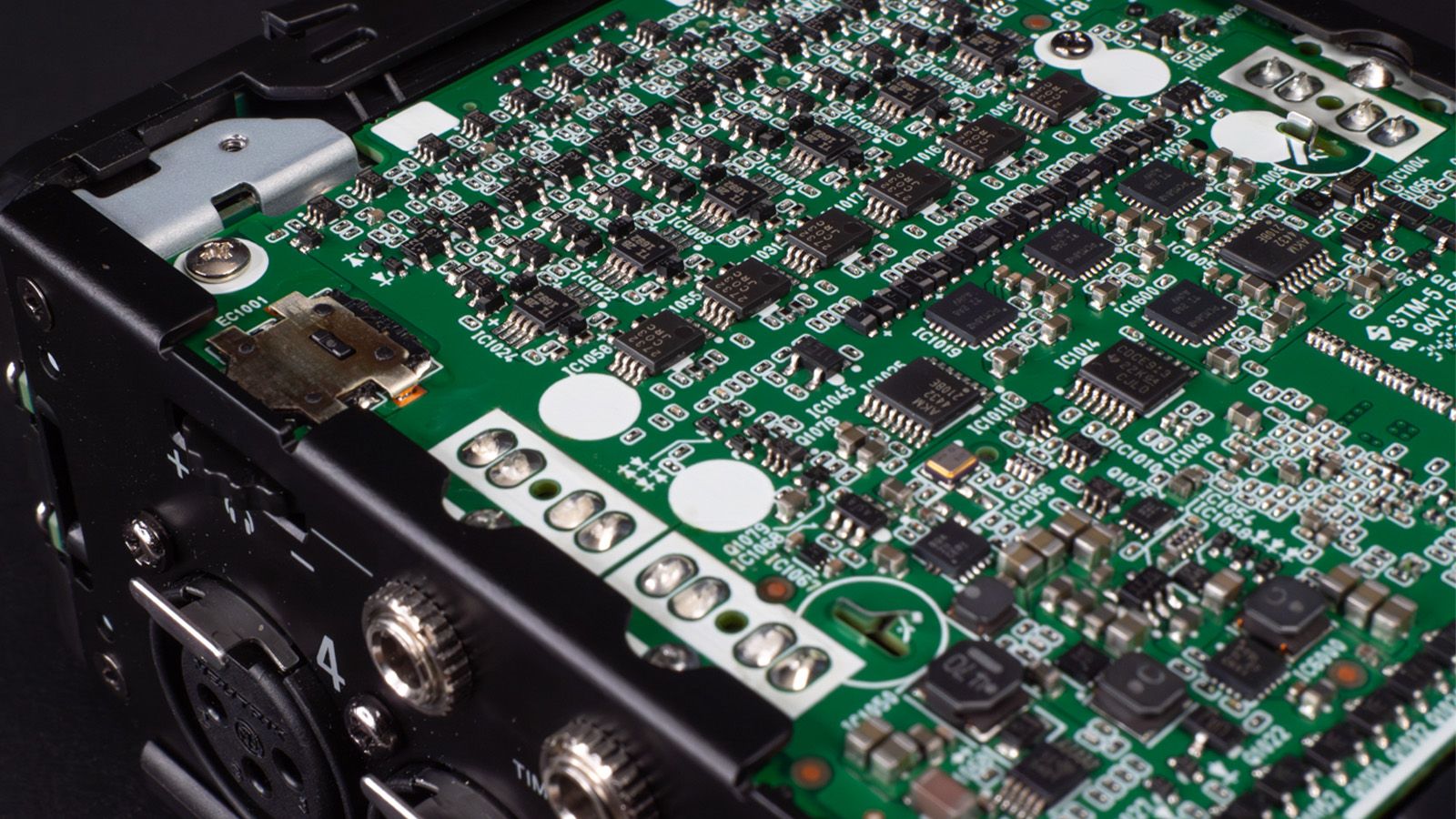
Implementing this method involved the following challenges:
● Mitigating phase and level errors caused by analog branching
● Mitigating discontinuous noise during AD output switching and synthesis
● Ensuring stability for real-time processing
● Circuit design suitable for mass production
The development team conducted repeated prototyping and verification, taking the time to refine the DUAL AD method to a high level of maturity in preparation for its commercialization.
4. “Bit Depth Over Sampling Rate” — The Inevitable Shift to 32-bit Floating-Point
Rethinking Recording Formats
In parallel with the development of DUAL AD, ZOOM was also reviewing recording formats internally. At a time when high sampling rates such as 192 kHz were gaining attention, a respected engineer in the Japanese recording industry offered different advice: for sound quality, a higher bit depth matters more than a higher sampling rate.
The True Value of DUAL AD and the Limitations of 24-bit Fixed-Point
The technical core of the DUAL AD system is this: even very soft sounds, once passed through a high-gain circuit, can be allocated resolution close to the full 24-bit width. Normally, when recording soft sounds at 24-bit resolution, only the lower few bits are used, resulting in significantly lower effective resolution. With DUAL AD, soft sounds are instead captured by the high-gain AD, which preserves a consistently rich amount of information.
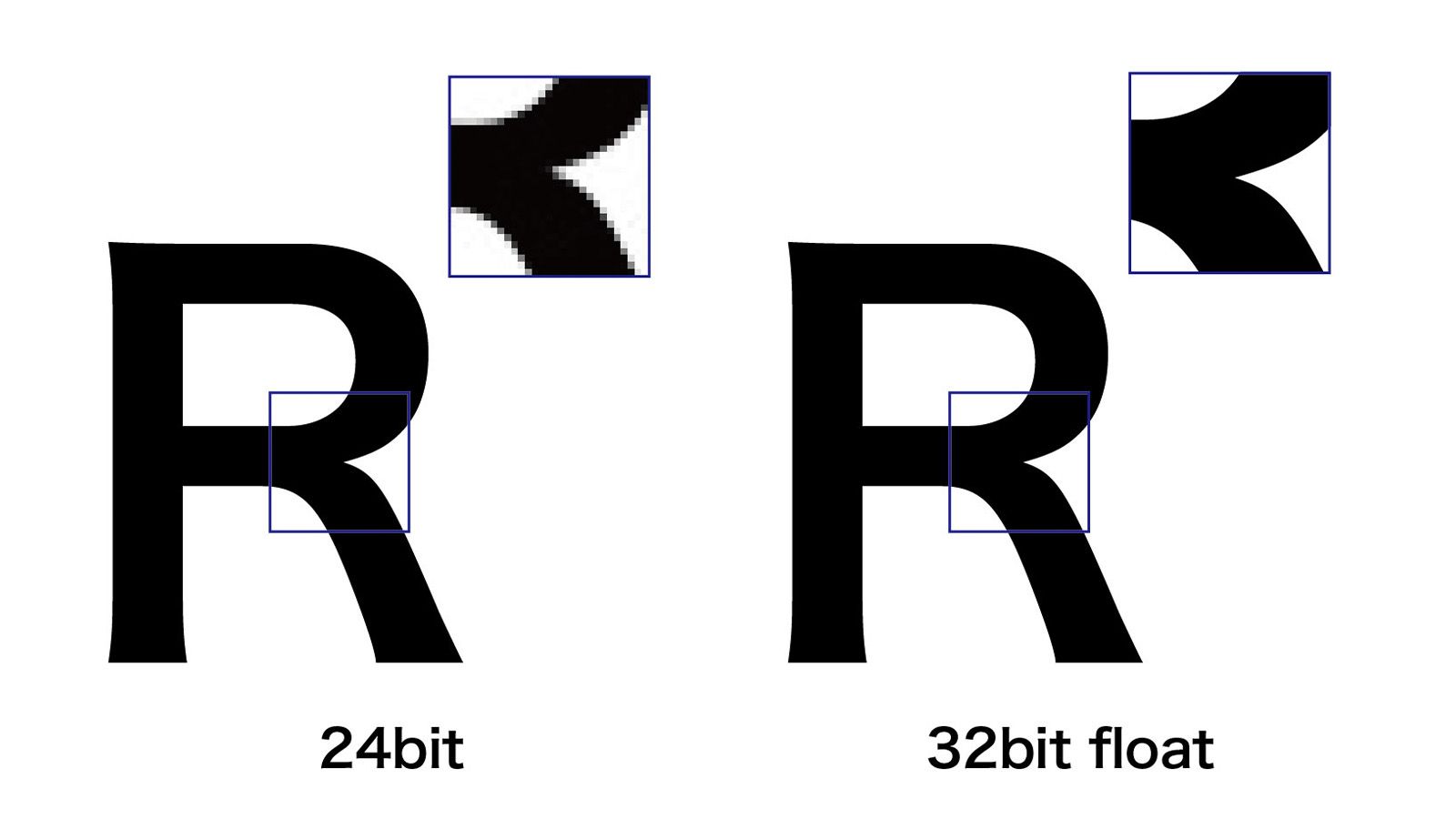
This creates a new problem. DUAL AD produces a wide range of data, from loud sounds captured by the low-gain AD to soft sounds captured by the high-gain AD. When this data is compressed into the conventional 24-bit fixed-point format, the resolution captured by the high-gain AD is lost.
Adoption of the 32-bit Floating-Point Container
The solution was the 32-bit floating-point format. Marketing materials often emphasize its distortion-free nature, but its technical role is more specific: it acts as a container that can store the high-resolution data generated by DUAL AD without degradation. A 32-bit floating-point number consists of a mantissa and an exponent. This structure made it possible to record the full range of DUAL AD's output, from a quiet whisper to a loud, sudden sound, without data loss.
5. F6 (2019): The world’s first “DUAL AD + 32-bit float” field recorder
In 2019, ZOOM released the F6, the world's first field recorder to combine DUAL AD and 32-bit floating-point recording. The defining feature of the F6 is that it removes the need for the recording engineer to decide what gain to record at.
● A main track at the optimal gain
● A low-gain track prioritizing distortion-free recording
However, the user still had to manually choose which track to use during editing.
The F6 automatically combines these two tracks at the moment of recording. The input audio is internally split into two AD conversion paths:
● Soft sounds are captured with high resolution via the high-gain AD converter
● Loud sounds are captured without clipping via the low-gain AD converter
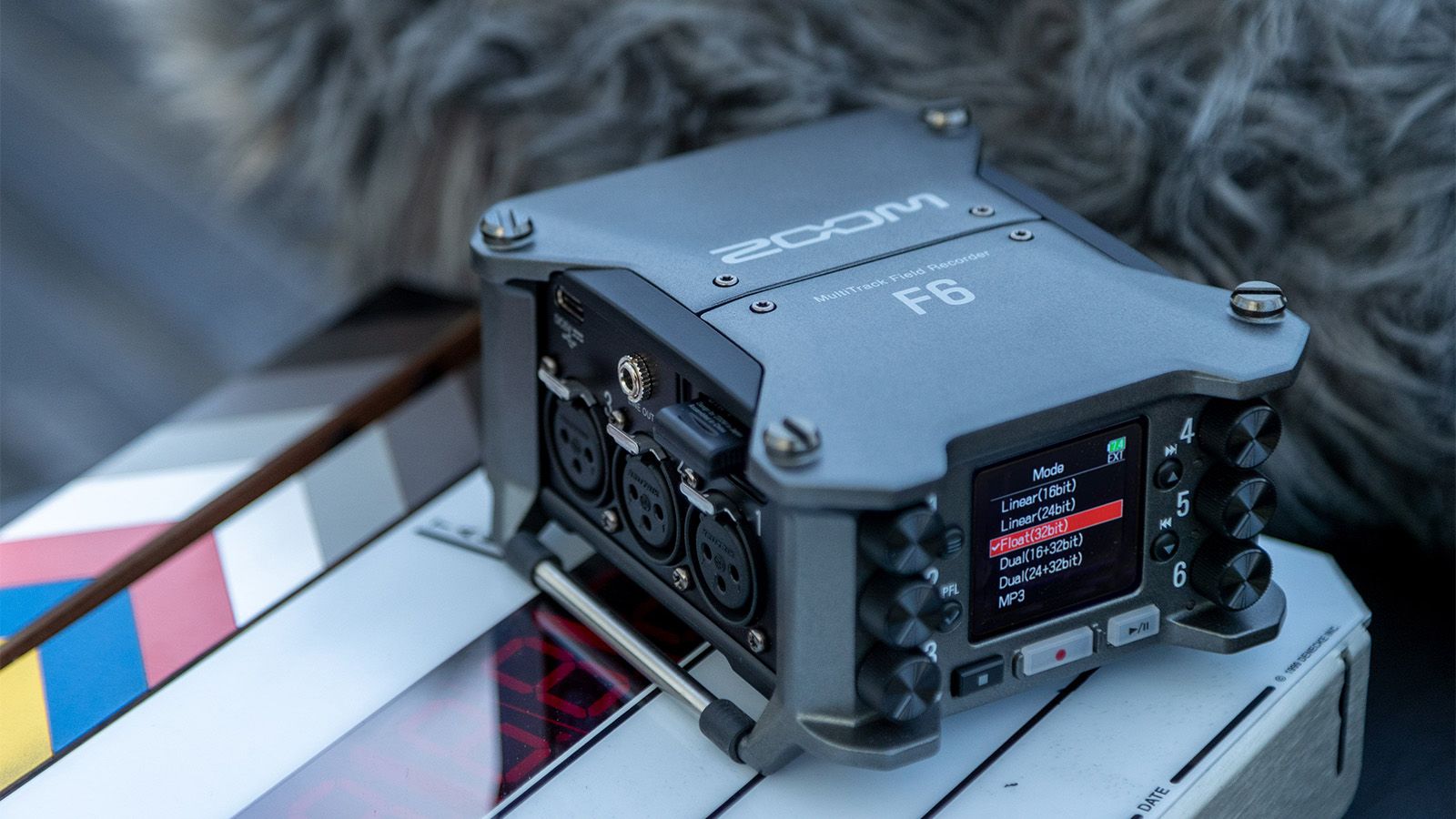
The result is recorded as a single 32-bit floating-point audio file. This format preserves all information, from the faintest sounds to the loudest, without loss.
The key point is that the F6 isn't designed to correct distorted sound after the fact. It's engineered so that distortion and a lack of resolution don't occur in the first place. As a result, the only decision required during recording is whether to record or not.
The F6 removed the need for gain adjustment from the recording environment altogether.
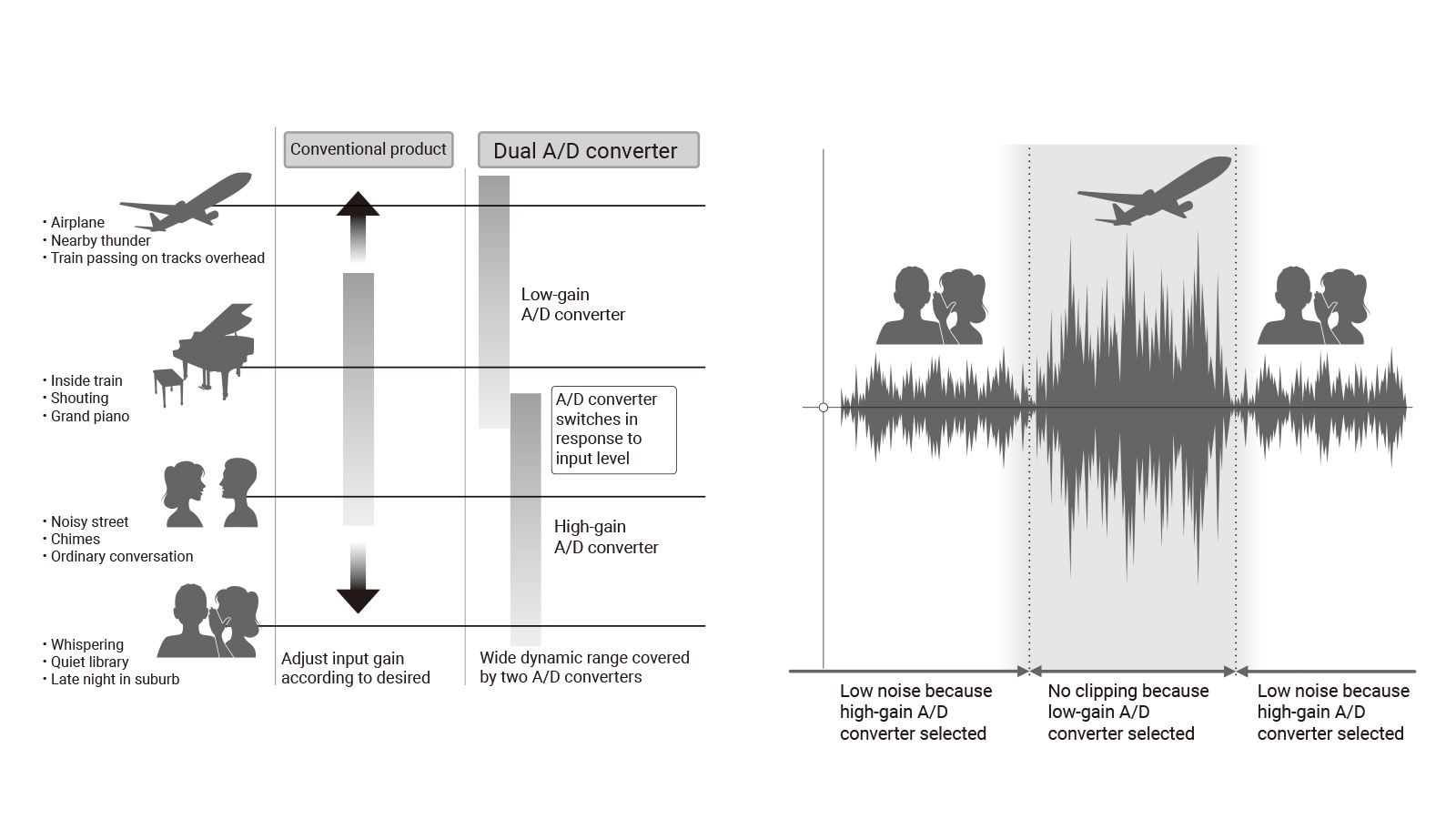
The key point is that the F6 isn’t designed to “correct distorted sound after the fact”; rather, it’s engineered so that distortion and a lack of resolution don’t occur in the first place. As a result, the only decision you need to make during recording is “to record or not to record.”
The F6 was a product that eliminated the very anxiety associated with gain adjustment from the recording environment.
6. The Practical Value of “No Gain Adjustment Required” That Transformed the Field Recording
The introduction of the F6 changed how video and audio professionals approached field recording. Operators no longer needed to adjust gain during recording, and could adjust volume later in editing without degrading sound quality.
This was an experience that hadn't been possible with previous recorders. It marked the point when RAW data recording, similar to what exists in the photography industry, became possible in audio as well.
The benefits were especially notable in one-man operation settings, where a single person handles both camera and audio, as well as in vlogging and YouTube production. In these situations, the audio quality is preserved as long as the F6 is running, even when the operator can't monitor sound continuously.
Changes During Recording
With the F6, the need to focus on fine-tuning gain during recording is significantly reduced, even in situations such as:
● A sudden shout from an actor
● Unexpected peaks in ambient noise
● Sudden changes in volume during a live performance
In these situations, the DUAL AD system captures information from both the high-gain and low-gain channels at the same time and records it in 32-bit floating-point format. This reduces the risk of recording failure.
Changes During Editing
32-bit floating-point processing offers a clear benefit during editing: an improved signal-to-noise ratio. With conventional 24-bit recording (single AD conversion), boosting extremely faint sounds after the fact made floor noise from the analog circuitry more noticeable, and introduced quantization noise due to the limited resolution of the digital data. This often made it difficult to restore the sound to a usable quality.
Devices equipped with DUAL AD, such as the F6, address this from both the analog and digital sides. Soft sounds are amplified at the analog stage by an internal high-gain AD circuit before being digitized.
● Improved signal-to-noise ratio: Since the analog signal is recorded well above the noise floor, floor noise remains low even after amplification.
● Preserved resolution: Since the waveform amplitude is increased before AD conversion, the full 24-bit depth can be used, capturing fine detail that would otherwise be lost.
This data is stored in the 32-bit floating-point container. As a result, even when the waveform is significantly expanded in editing software, the sound remains free of noise and distortion.
● No clipping (from low-gain AD conversion): The sound does not distort during sudden peaks.
● Low noise (from high-gain AD conversion): Amplifying quiet sounds does not introduce graininess.
Together, these two factors support a workflow where a safety margin is maintained during recording, and final adjustments are made during editing, without any loss in sound quality.
7. Technology Expansion: DUAL AD and 32-bit Floating-Point Extending into Various Categories
ZOOM is expanding this technology, first established in the F6, into other product categories:
● ZOOM UAC-232: 32-bit floating-point-compatible audio interface
● ZOOM L6 (LiveTrak): 32-bit floating-point-compatible digital mixer
● MicTrak: 32-bit floating-point handheld recorder
● Essential Series: 32-bit floating-point handheld recorders
Support for 32-bit floating-point audio is now becoming more widespread across the industry. ZOOM, however, was the first to put a recording system combining DUAL AD and 32-bit floating-point audio into practical field use.
8. Conclusion: Stabilizing the sound input has expanded the range of expressive possibilities.
The H4 popularized portable, high-quality recording in 2006. The F6 and DUAL AD technology established a new standard in 2019: failure-resistant recording.
This shift brought several benefits:
● Reduced the stress of recording
● Increased creative freedom during editing
● Allowed creators to focus on the content as a whole, including the audio
The combination of DUAL AD and 32-bit floating-point processing is more than an increase in bit depth. It improves the reliability of the recording process itself.
Related Products
F6
Multi-Track Field Recorder
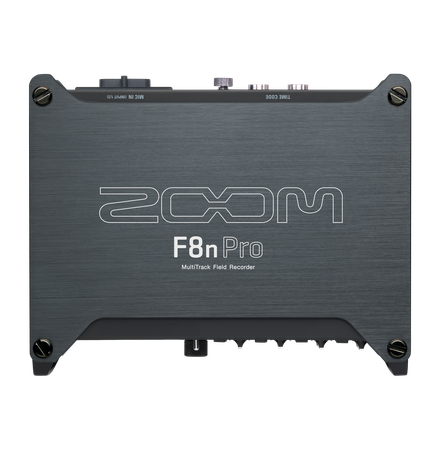
F8n Pro
MultiTrack Field Recorder
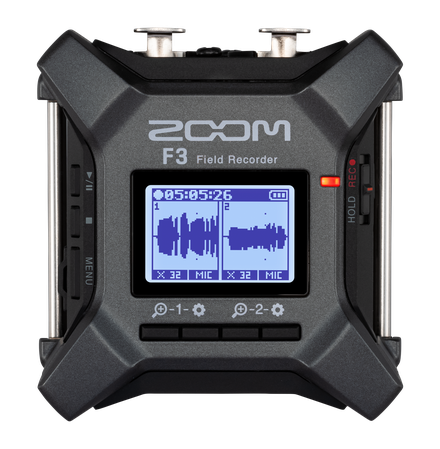
F3
F3 32-bit Field Recorder
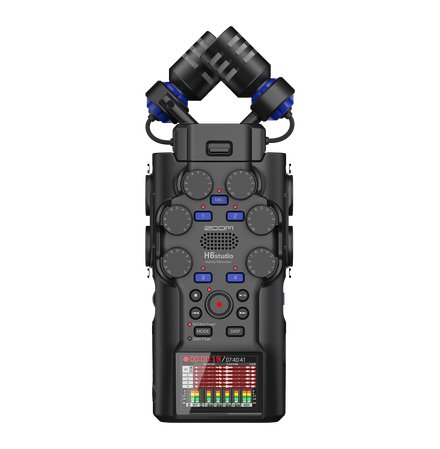
H6studio
6 Track Handy Recorder

H5studio
4 Track Handy Recorder
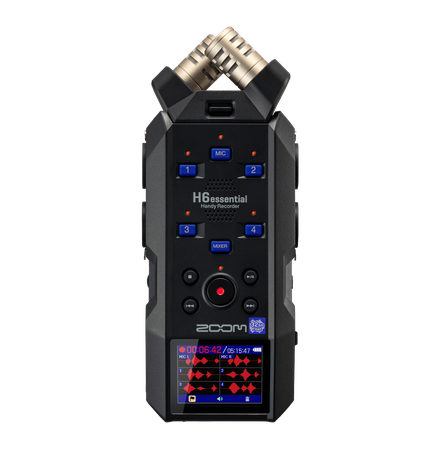
H6essential
6-Track Handy Recorder
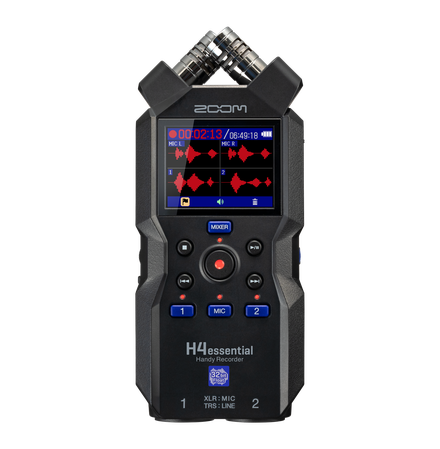
H4essential
4-Track Handy Recorder
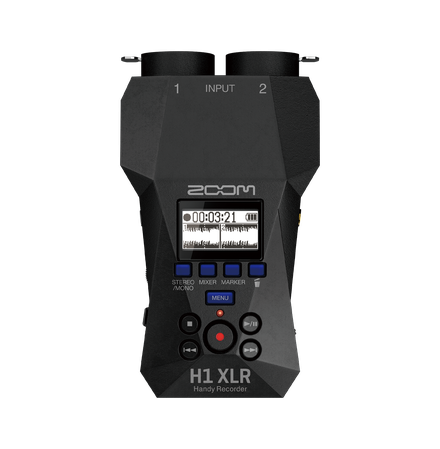
H1 XLR
2 Track Handy Recorder
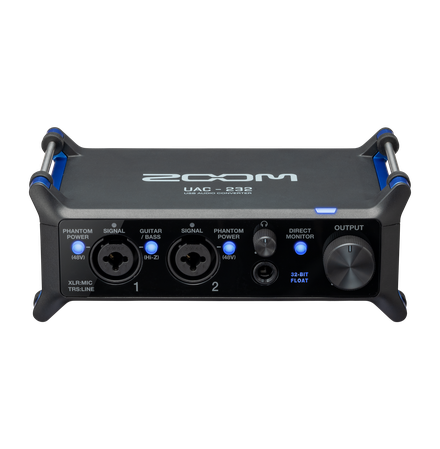
UAC-232
2in / 2out, 32bit float USB Audio Converter
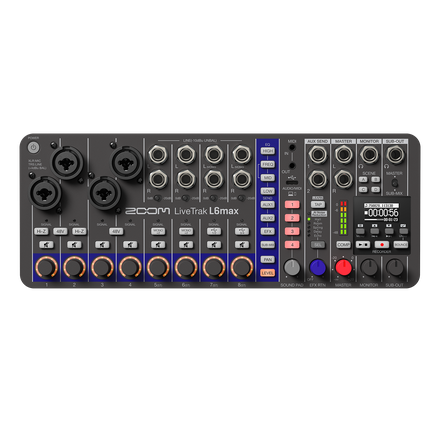
LiveTrak L6max
12-Channel 32bit float Mixer / Recorder
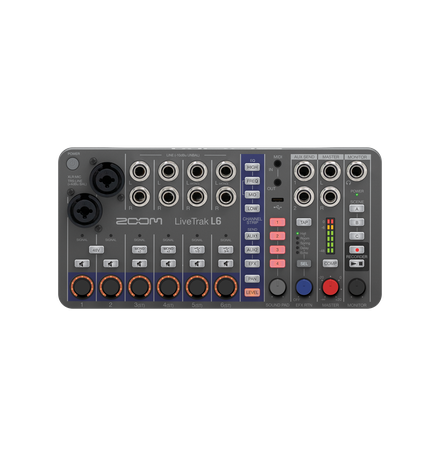
LiveTrak L6
10-Channel 32bit float Mixer / Recorder
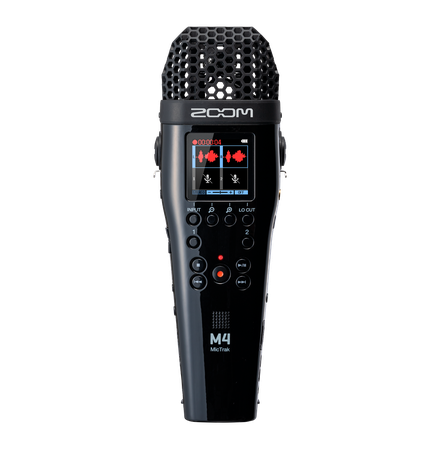
M4 MicTrak
32-bit float 4-Track Recorder
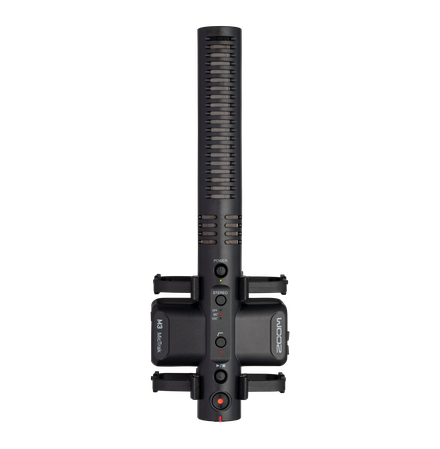
M3 MicTrak
32-Bit Float On-Camera Recorder
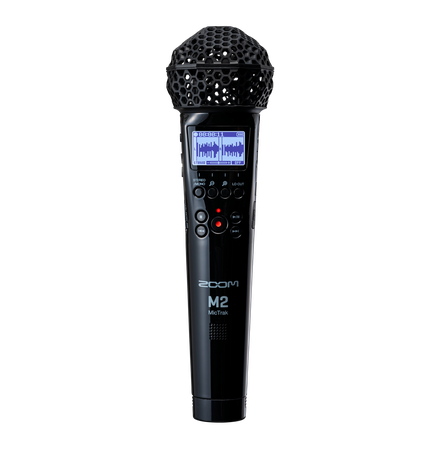
M2 MicTrak
32-Bit Float Handheld Recorder