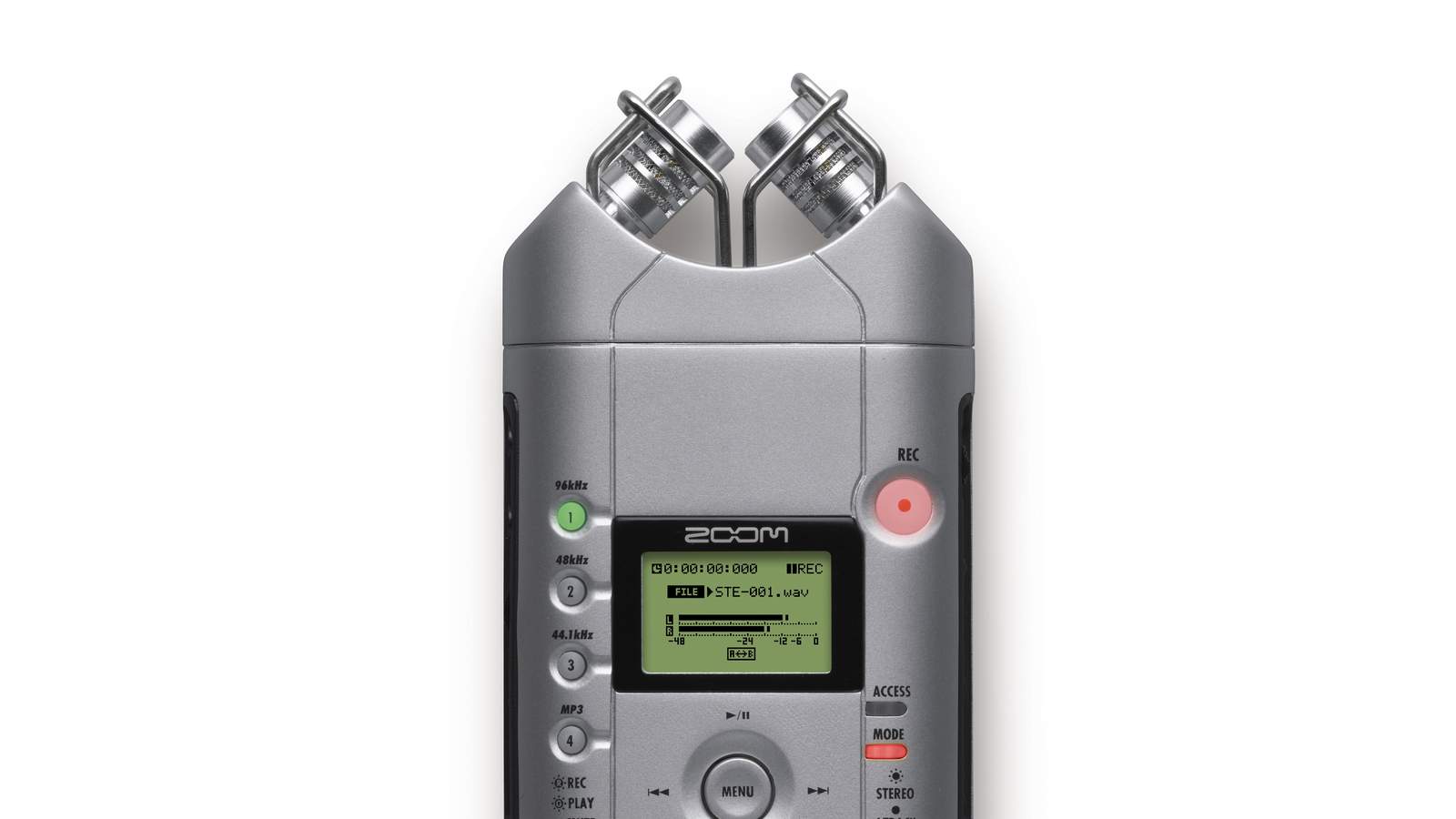
In 2006, ZOOM released the H4, the world's first handheld audio recorder to integrate high-quality XY stereo microphones and professional-grade XLR/TRS combo inputs into a compact chassis. Note that “Handy Recorder” is not a generic term but our product name.
It was a historic moment that created the very concept of the “Handy Recorder”, and its innovation influenced countless fields: modern field recording culture, musicians' practice environments, movie production using DSLR cameras, wedding photography, educational settings, and more.
Below, we explore the inevitability of its birth, its technical innovations, and the new era of recording the ZOOM H4 pioneered.
1. Early 2000s: Recording Environments Were “Closed”
The Limitations of IC (Integrated Circuit) Recorders
In the early 2000s, IC recorders with integrated memory were the mainstream “recording devices.” However, they had critical limitations for music production and creative applications.
- Low sound pressure tolerance caused distortion immediately when recording band practice
- Recording data was inherently compressed; they couldn't handle high-quality, editable PCM data
- They lacked essential features for music production: external inputs, precise gain adjustment, and high-performance stereo microphones
Musicians at the time harbored a fundamental frustration: “We want to capture the raw live feel, but there's no affordable, high-quality recording solution.”
The “last resort” of rehearsal studio tape decks
Another option was the cassette tape decks found in rehearsal studios. However, these also imposed significant constraints for creative purposes.
- Operation was cumbersome, making tape editing practically impossible
- Transferring recordings to a DAW (Digital Audio Workstation) was cumbersome
- Tapes as a medium suffered from degradation, storage issues, and poor searchability
Musicians strongly desired a new recording style that was “easy to record, sounded great, was portable, and allowed editing.”

2. The “Palm-Sized Recording Revolution” Began with the PS-02
The Philosophy Pioneered by the PS-02 (2000)
In 2000, ZOOM launched the palm‑sized MTR PS‑02, establishing the concept of the “world’s smallest recording studio (palm studio)” and receiving high acclaim. Through subsequent products like the PS‑04, ZOOM consistently pursued the theme of integrating multitrack recording technology into a mobile chassis, accumulating unique expertise.
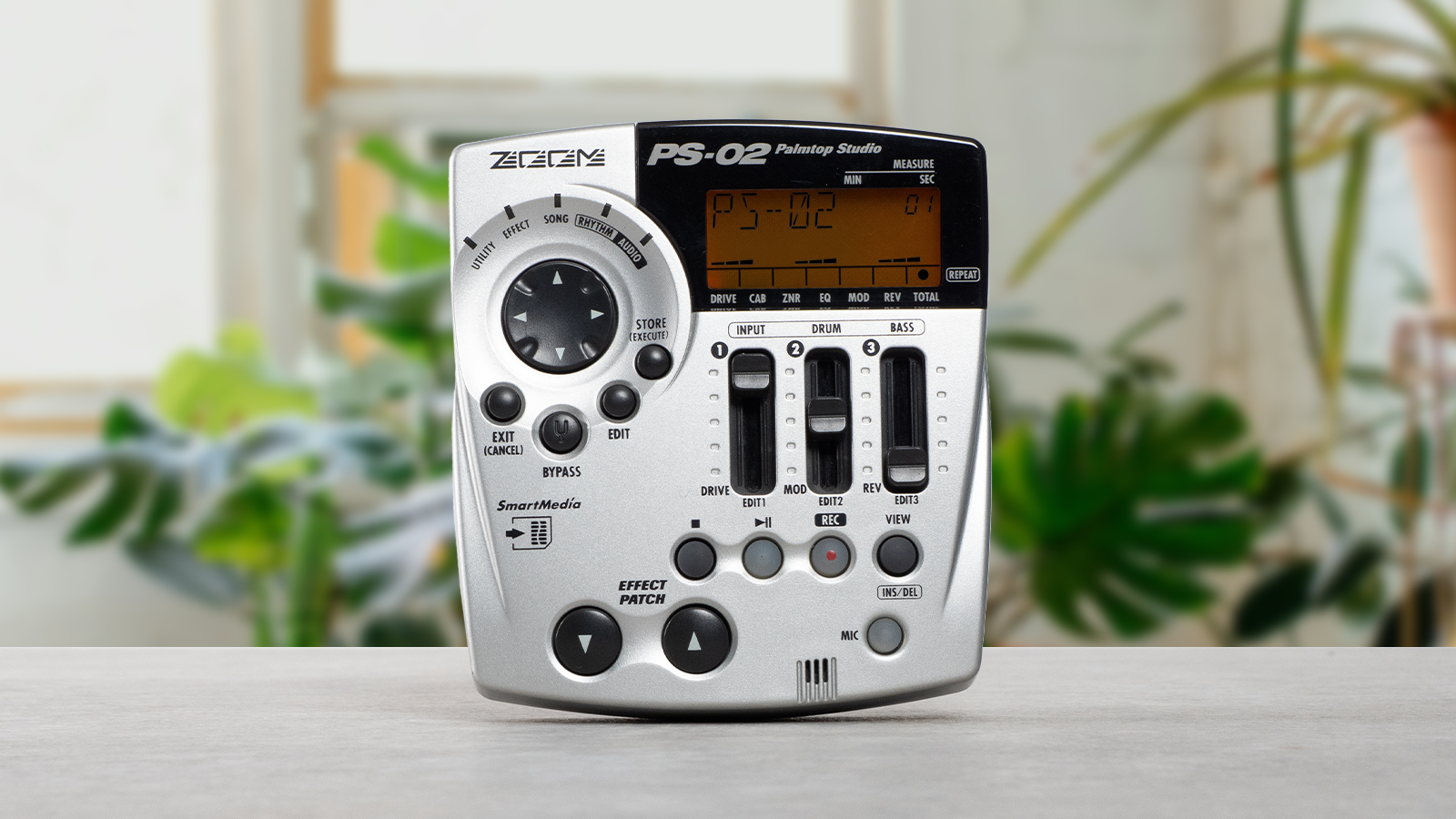
The H4 was born as a “Portable MTR” (Multi-Track Recorder)
The H4’s inclusion of professional‑grade combo inputs (XLR/TRS) and support for 4‑track recording stem directly from this design philosophy of being the “evolved form of the MTR.”
- Instrument inputs for direct connection of guitars and basses
- Phantom power support enableds the use of condenser microphones for vocals
- Built‑in metronome/tuner for immediate solo practice
- Integrated guitar effects/amp modeling for instant demo creation
From the outset, the H4 was designed not as an extension of an IC recorder, but as a “portable MTR for musicians.”
3. World's First: XY Stereo Microphone + XLR Combo in a “One-Hand Size” Package
The H4’s most groundbreaking feature is the integration of music‑production‑grade microphones and professional‑grade external inputs into a battery‑powered “one‑hand size” package.
- XY stereo microphone system enabling three‑dimensional sound capture
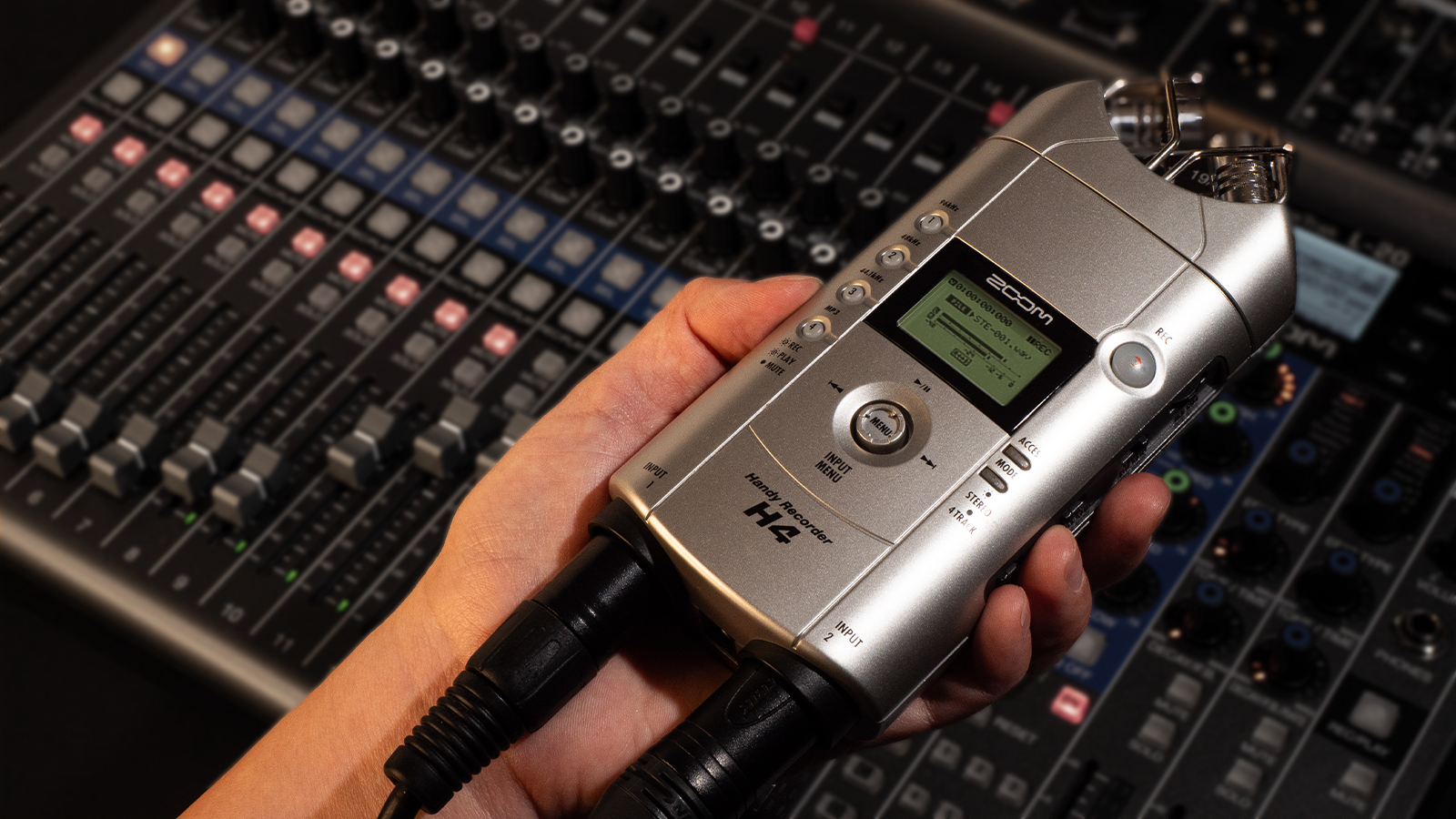
- Two channels of professional‑grade XLR/TRS combo inputs
- Simultaneous recording of up to 4 tracks combining internal mics and external inputs
This combination of features set it apart from conventional IC recorders and large professional recorders, fulfilling the requirements of the creator market at the time in a single unit.
Thus, the H4 presented not just a “portable recorder,” but the prototype of an entirely new market category.
4. The Revolution of Simultaneous “Air + Line” Recording
The H4’s greatest practical impact on the field was its ability to “capture the ambience (air) with the built‑in mics while simultaneously recording the line (or close‑mic) signal via the external input.”
This enabled the following types of recording with a single battery‑powered unit:
- At a live venue
- Built‑in XY mics: Venue ambience, crowd noise, reverberation
- Combo input: Mixer line‑out
- Later, at a DSLR movie shoot
- Built‑in XY mics: Overall venue sound, ambience
- Combo input: Close‑up sound from shotgun or handheld mics
This simultaneous “air + line” recording capability was revolutionary, achieving the ideal workflow for live recording and video production at low cost, in a compact, battery‑powered package.
5. The Popularity Wave Ignited by the Video Industry
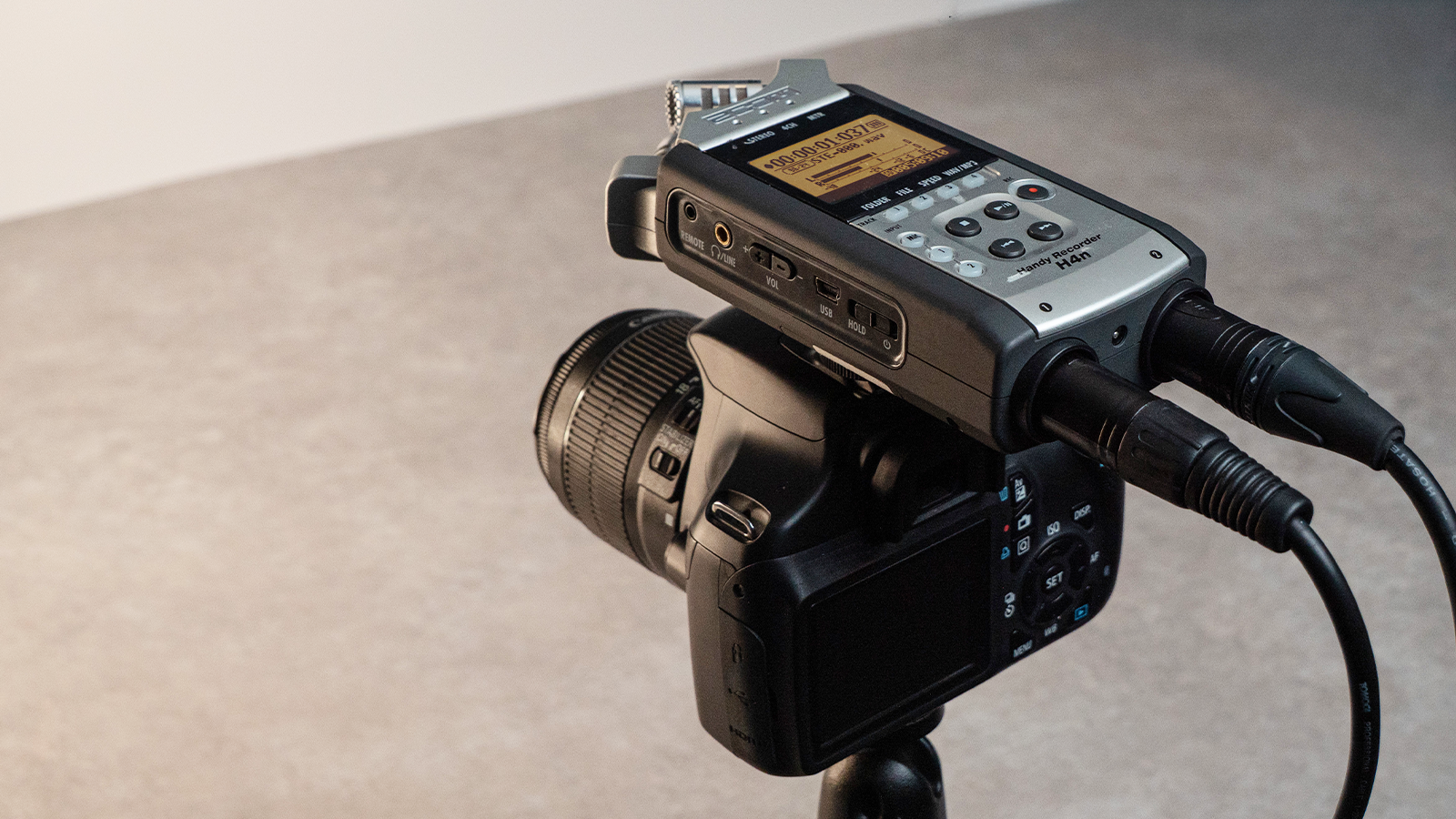
The H4 was initially launched as a musician’s recorder capable of handling loud bands. However, major US electronic retailers quickly recognized its alternative value. They positioned it as “the ideal external audio recorder for DSLR cameras.”
This sparked a rapid expansion of its user base:
- Film and documentary production
- Wedding videography
- Vlogging / independent video production
- Educational materials for specialized schools and universities in video/audio fields
Consequently, the concept of the handheld recorder gained recognition as a “global category.”
6. Market Recognition: The Industry Adds a “New Category”
The H4’s success went beyond mere sales growth; it fundamentally altered the industry structure.
The influential US industry magazine Music Trades, in its analysis of the recording equipment market, created a new category called “Hand‑Held Digital Recorders” alongside traditional categories like “Hard‑Disk Multi‑Track.”
This signified that ZOOM’s handheld recorders, starting with the H4, were recognized not as a “passing fad,” but as a product line that defined and created a market category itself.
7. The H Series’ Inherited Technical Reliability and International Recognition (MIPA / NAMM TEC Award)
The “handheld recorder” category pioneered by the H4 continues to be highly regarded in the international pro audio field.
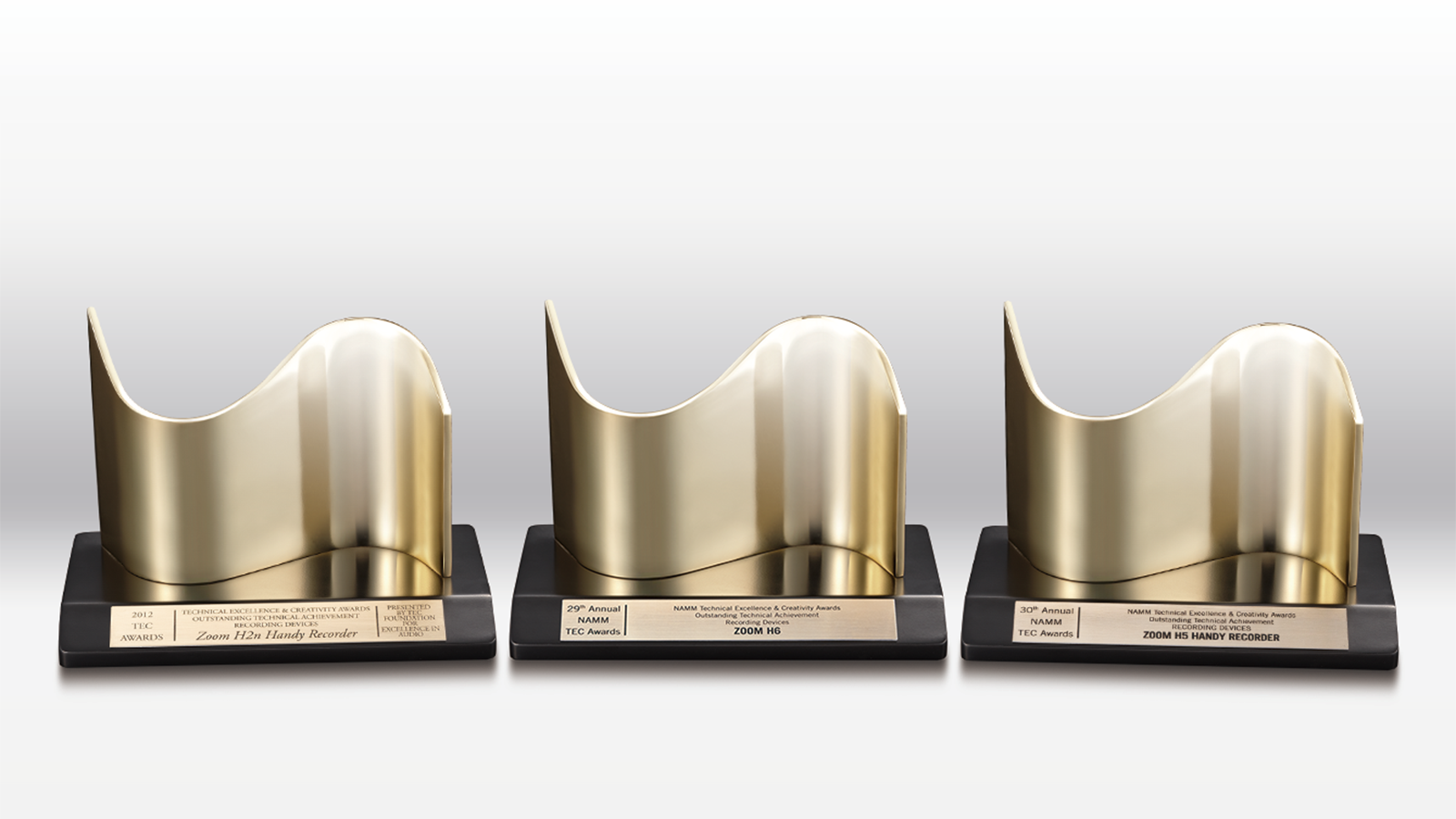
ZOOM’s handheld recorders have achieved the following notable accomplishments at the NAMM TEC Award and MIPA Award, prestigious honors in the pro audio world:
- 2012: H2n wins the NAMM TEC Award (Recording Devices category)
- 2013: H6 wins the NAMM TEC Award (same category)
- 2014: H5 wins the NAMM TEC Award (same category)
Furthermore, the H6 won the MIPA Award (Field Recorder category) for two consecutive years in 2014 and 2015.
These awards strongly confirm that the design philosophy and commitment to sound quality established by the H4 in 2006 continue to be consistently recognized internationally through subsequent H series models.
8. Progressive Evolution in Battery Life and Mic Preamp Sound Quality
The H series since the H4 has not merely added features, but has also accumulated “subtle yet essential improvements” such as:
- Improved battery life
- Reduced noise in the mic preamp
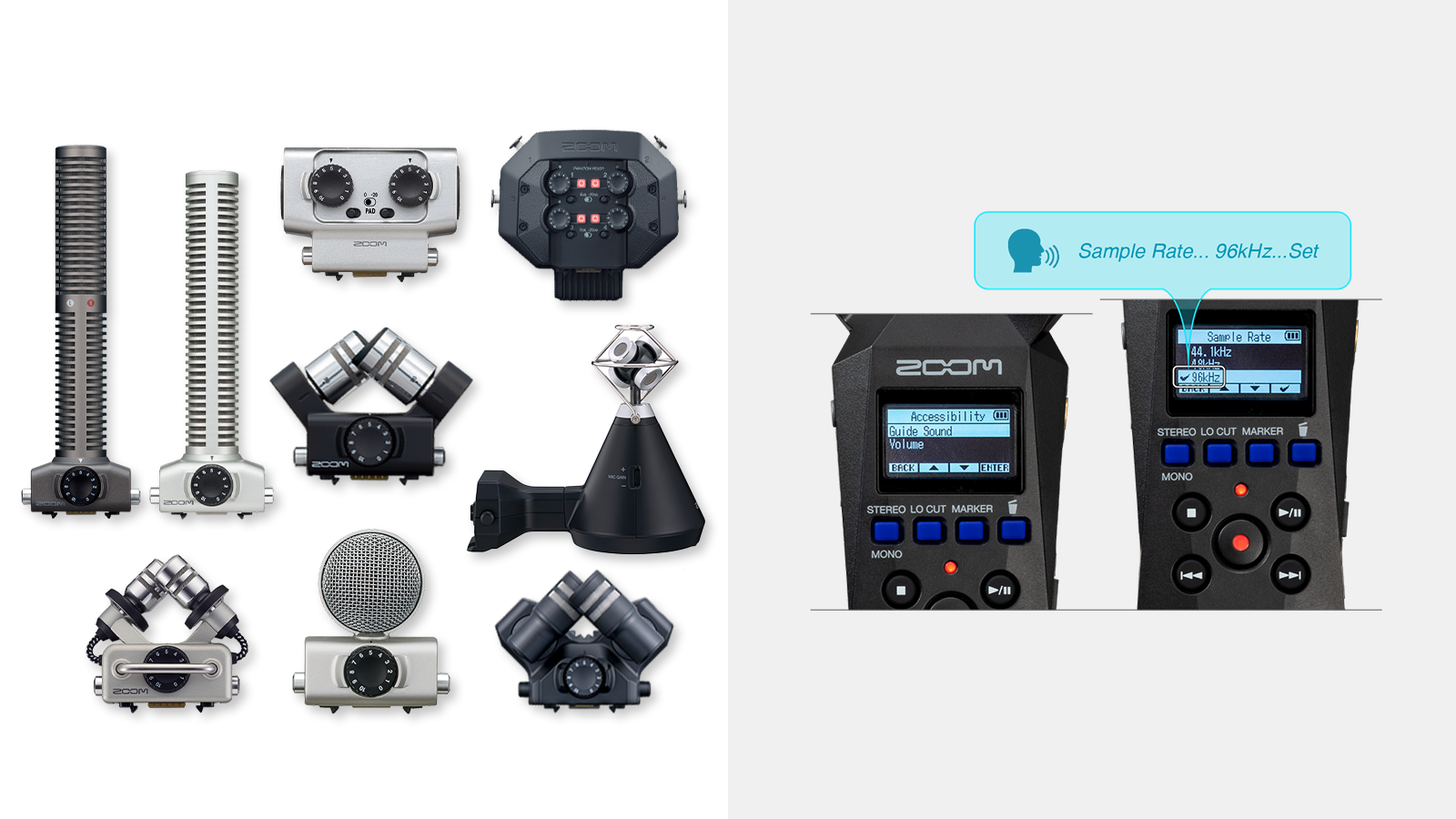
- Enhanced S/N ratio in the mic capsule and the adoption of an interchangeable capsule system
- Incorporation of accessibility features and other improvements in operability and UI
- Addition of 32‑bit float recording and USB audio interface functionality
These represent “subtle yet fundamental evolutions.” One of the latest iterations is the H4essential, supporting 32‑bit float recording, which carries forward the “portable high‑quality sound” concept pioneered by the H4 into the next generation.
9. Conclusion: The History of Handheld Recorders Began with the H4
The birth of the H4 in 2006 was a “tectonic shift” in the history of recording devices.
- It enabled capturing dynamic sounds previously unattainable with IC recorders within a compact chassis,
- Realized editing and sharing impossible with tape through a uniquely digital workflow,
- Dramatically elevated audio quality on video production sets,
- And fundamentally transformed recording culture itself—from band rehearsals to filmmaking and educational settings.
The H4 was a product that democratized recording culture by erasing the boundary between professional workflows and amateur creative activities.
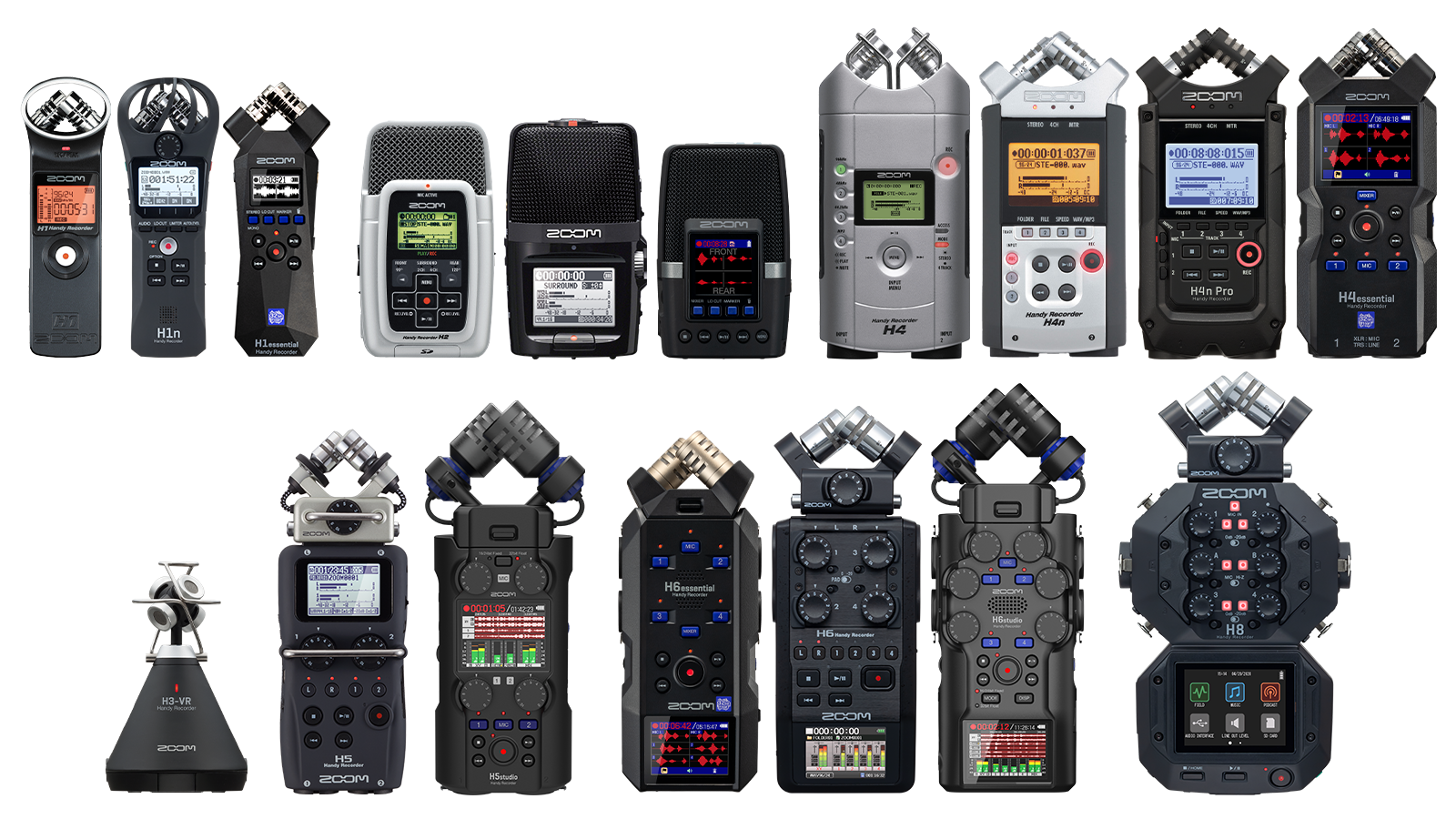
The concept of “portable high-quality sound” pioneered by the H4 was passed down to its successors: the H4n, H5, H6, the essential series supporting 32-bit float audio, and the Studio series boasting the highest sound quality. It continues to evolve today, supporting the next generation of creators.
Related Products
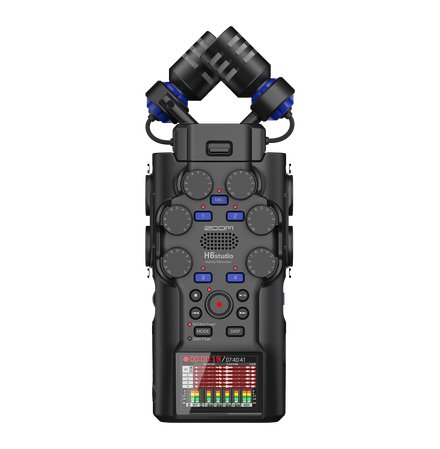

H5studio
Handheld Audio Recorder
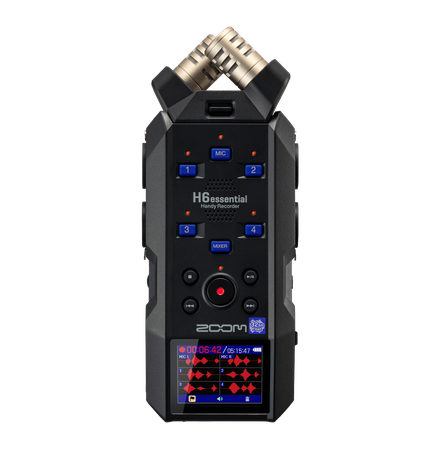
H6essential
6 Track Handy Recorder
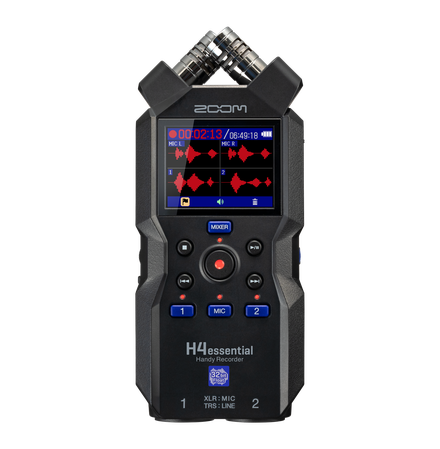
H4essential
4 Track Handy Recorder
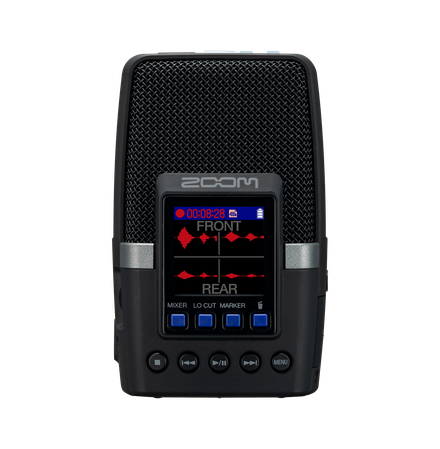
H2essential
Multi-Mic Handy Recorder
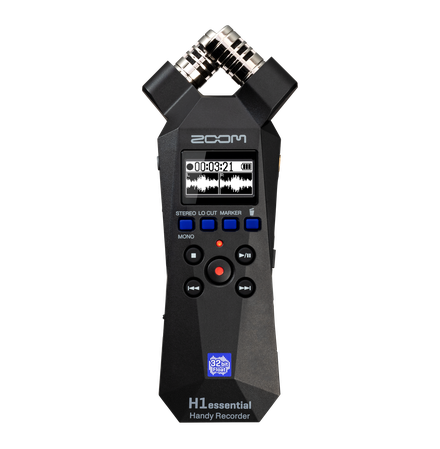
H1essential
Stereo Handy Recorder
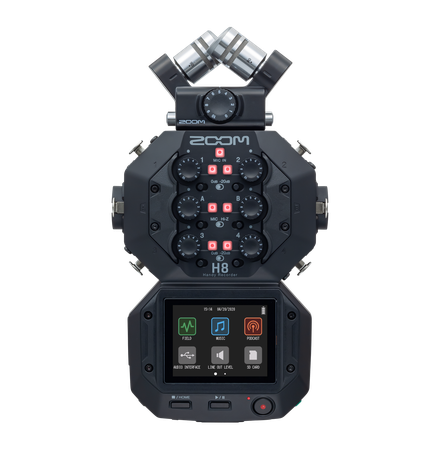
H8
Multi-Track Handy Recorder with Touchscreen Interface
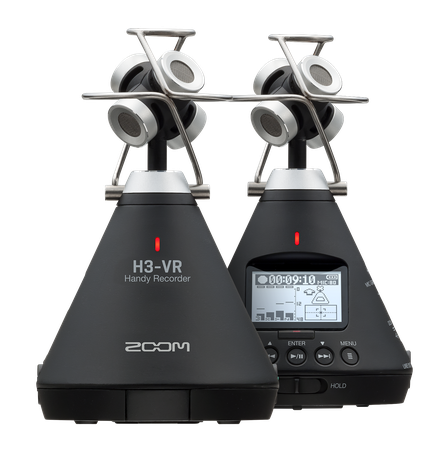
H3-VR
360º Handy Recorder